Our story
Who is Baby Ray?
Ray Skaggs Jr., known as Baby Ray, was born on February 28, 2017. He loved to laugh and smile and lit up every room with his sunny personality. Unfortunately, on January 17, 2018, Baby Ray's life suddenly ended due to causes still unknown.
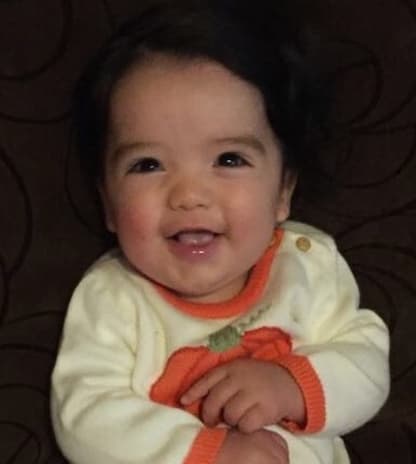
This sudden loss left his family in a state of devastation. Following Baby Ray's passing, the medical examiner along with the Dr. Christina Miyake, iHOPE-Kids co-founder, reached out to offer the Skaggs family a way to help find an answer through genetic testing and storage of a sample of Baby Ray's DNA in a biobank. Initial genetic testing did not find an answer for Baby Ray.
Despite this, the Skaggs family was grateful for Dr. Miyake and her team's efforts. Because of this, they committed to supporting other families going through similar experiences and established the Baby Ray Fund which has since evolved into a nonprofit foundation.
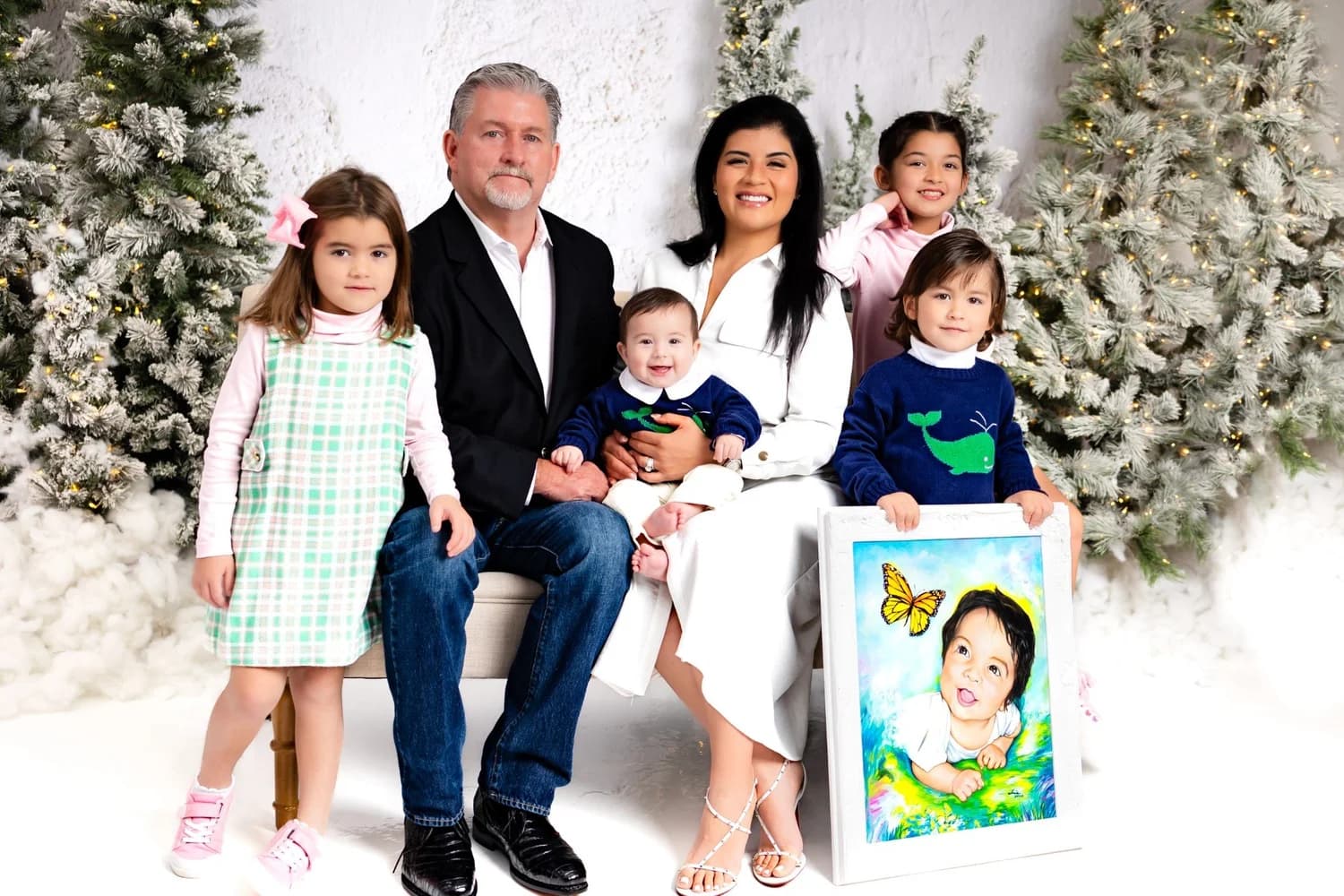
Unfortunately, Ray's family is not alone in this experience. Such unimaginable loss affects many other families and can be even more emotionally wrenching when there are no clear reasons for their loved one's death.
Today, with ongoing research, a team at Baylor College of Medicine has identified a potential explanation that may not only affect Baby Ray but also other infants like him. This ongoing testing was only made available because the family stored his sample in a biobank shortly after his death.
Partnering with the Skaggs family in memory of Baby Ray, it is our Ray of Hope that work coming from iHOPE-Kids can identify causes of other sudden death disorders, providing answers for families like Ray's and improving outcomes of other children. This research can help diagnose children earlier, ensuring they can lead happy, healthy lives. Even though the iHOPE-Kids team only learned of Ray after his passing, our clinicians, scientists, and experts have learned immensely from Ray and his family in ways that can help other children.
Our framework
Detect. Treat. Transform.
What we learned from Baby Ray shapes how we help every family — a single approach in three parts.
Detect
Find silent, often-inherited heart-rhythm conditions early — through screening, genetic testing, and DNA biobanking — so causes are no longer left unknown.
Treat
Turn a diagnosis into action: connect families with specialists and care plans that protect children before a crisis.
Transform
Feed every case into research, like the work at Baylor College of Medicine, so each discovery improves outcomes for the next child and family.
Help us apply this framework
To help other families with similar stories, we want to apply this framework. To do this, we enroll people into the iHOPE-Kids Registry. More information can be found in our FAQ.